Multiple Technologies
Strain gauge, piezoresistive, capacitive, fiber optic. Gas, liquid, steam, viscous media. Gauge, absolute, differential.
Certified for Hazardous Areas
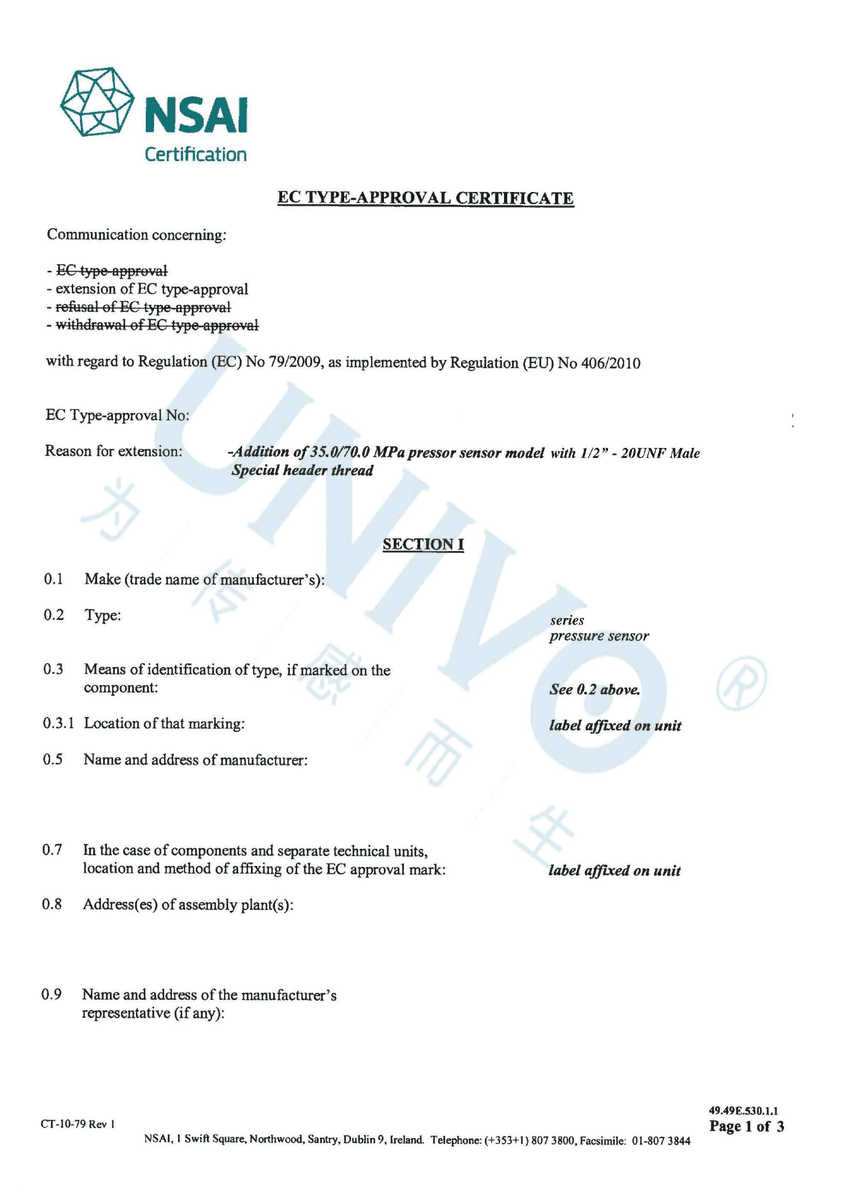
ATEX, IECEx, IP67/IP68, 316L/Hastelloy. For petrochemical, hydrogen, subsea, and other hazardous locations.
High Overload & Custom Output
Survives 10x overload. Outputs: 4-20mA, 0-10V, RS485, CANopen, wireless. Custom ranges, connections, fill fluids.
Pressure Sensor Application Scenarios
Industrial Automation
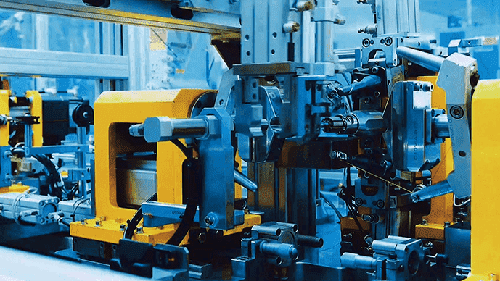
In pneumatic systems, hydraulic systems, air compressors, and vacuum equipment, pressure sensors are used for real-time monitoring of pipeline pressure, cylinder pressure, oil pressure, etc. UNIVO's pressure transmitters feature high reliability, multiple ranges and output signals, suitable for pressure closed-loop control and safety protection in automated production lines.
Learn MoreAerospace

In aircraft engines, hydraulic systems, fuel systems, environmental control systems, and ground test equipment, pressure sensors are used to measure critical parameters such as fuel pressure, oil pressure, and pneumatic pressure. UNIVO provides high-precision, lightweight, high and low temperature resistant, vibration-resistant pressure sensors for the aerospace field, meeting aviation-grade reliability and long-life requirements.
Learn MoreOil and Gas
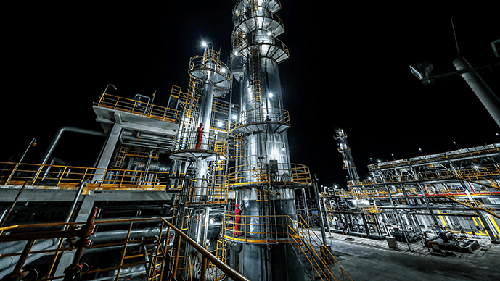
In oil and gas exploration, drilling, fracturing, pipeline transportation, and refining, pressure sensors are used for wellhead pressure, pipeline pressure, tank pressure monitoring and safety interlocking. UNIVO's explosion-proof pressure transmitters feature high pressure resistance, corrosion resistance, wide temperature operation, and explosion-proof certification, suitable for flammable and explosive oil and gas environments, ensuring site operation safety.
Learn MoreSolution
Pressure sensor: Pressure monitoring and safety interlocking solution for petrochemical industry
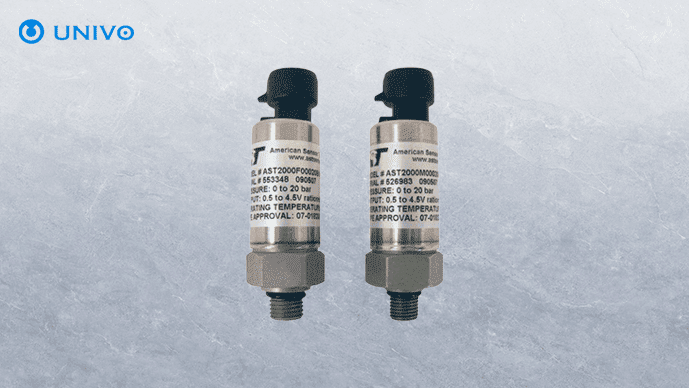
- Petrochemical production processes involve high temperature, high pressure, and flammable/explosive media. Pressure is a core parameter for the operation of reactors, distillation towers, storage tanks, and pipelines. Excessive pressure may cause leakage or even explosion, while too low pressure affects product quality or leads to process abnormalities. Pressure sensors convert medium pressure into standard electrical signals for process control, alarming, and safety interlocking, and are key instruments in the automation systems of petrochemical plants.
- Commonly used pressure sensor types in the petrochemical industry include strain gauge type, piezoresistive type, and capacitive type, selected based on measurement range, accuracy, and explosion-proof requirements. Sensors are typically equipped with flameproof or intrinsically safe explosion-proof housings and have obtained corresponding certifications. The specific applications are described below from three perspectives: reactor pressure control, distillation tower differential pressure monitoring, and pipeline pressure protection and interlocking.
- Specific scheme
- Reactor pressure control and emergency relief
- In chemical reaction processes such as polymerization reactors and hydrogenation reactors, pressure fluctuates. Pressure sensors are installed on the top or side pressure tapping ports of the reactor to measure the internal pressure in real time. Based on the deviation between the pressure value and the setpoint, the control system adjusts the feed valve, heating steam, or cooling water flow rate to maintain the reaction pressure within the process requirements. When the pressure exceeds a safety threshold, the system issues an alarm and automatically opens the emergency relief valve or initiates an emergency shutdown procedure to prevent overpressure explosion. This solution is widely used in oil refining, chemical, and fine chemical fields, ensuring reaction process safety and product quality.
- Distillation tower differential pressure monitoring and indirect liquid level control
- Distillation towers achieve gas-liquid mass transfer through trays or packing. The tower differential pressure reflects the liquid load and operating state of the tower. The high-pressure side of the differential pressure sensor is connected to the tower bottom, and the low-pressure side to the tower top. The measured differential pressure is related to the tower bottom liquid level and tray liquid holdup. The control system uses the differential pressure signal to determine whether abnormal conditions such as flooding or weeping have occurred. At the same time, the differential pressure can be used to indirectly calculate the tower bottom liquid level, providing redundancy with a liquid level meter. This solution optimizes distillation tower operation and improves separation efficiency.
- Pipeline pressure protection and safety interlocking
- Petrochemical pipelines transport flammable and explosive media. Abnormal pressure rise may damage equipment or cause leakage. Pressure transmitters are installed at critical positions such as compressor outlets, pump outlets, and pipe blind ends. When the detected pressure exceeds the alarm value, the control room issues an audible and visual alarm. When the pressure reaches the interlock setpoint, the system automatically stops the compressor or closes the pipeline emergency shutoff valve and simultaneously opens the vent valve to relieve pressure. In long-distance pipelines, along-line pressure monitoring data is also used for leak detection—by comparing the pressure difference and flow difference between adjacent stations, leak points can be quickly located. This solution provides multiple safety barriers for pipeline transportation.
- Conclusion
- Pressure sensors play multiple roles in monitoring, control, and protection in the petrochemical industry. In reactors, sensors achieve pressure regulation and overpressure emergency relief. In distillation towers, sensors monitor tower differential pressure to guide operation. In pipeline systems, sensors trigger pressure interlock protection to prevent rupture and leakage. The reliable application of pressure sensors is one of the fundamental guarantees for safe, stable, and long-term operation of petrochemical plants.
Fire monitoring system: Multi-parameter real-time monitoring solution for fire facilities including pressure, weight, and inclination angle

- The reliability of fire protection systems is directly related to the safety of life and property. Parameters such as water pressure in fire protection pipelines, weight of fire extinguishers, and inclination angle of fire truck platforms need to be monitored in real time to ensure that fire facilities are in good condition. Traditional manual inspection has long cycles and low efficiency, making it difficult to detect hidden faults. The fire monitoring system integrates pressure sensors, load cells, and inclination sensors, uploading data to the cloud platform via IoT technology, enabling remote monitoring and fault early warning of fire facilities.
- This solution mainly includes three monitoring dimensions: fire protection pipeline pressure monitoring (to prevent underpressure or overpressure), fire extinguisher weight monitoring (to detect leakage or failure to replace after use), and fire equipment inclination monitoring (to detect whether fire truck outriggers or fire extinguisher boxes are tilted). The specific applications are described below from these three perspectives.
- Specific scheme
- Real-time pressure monitoring of fire protection pipelines
- Pressure sensors are installed at the fire pump outlet, the most unfavorable point of the pipeline network, and at fire hydrants to collect water pressure in real time. Data are transmitted wirelessly to the fire control center. When the pipeline pressure falls below the standard value, the system determines that there is leakage or an unopened valve, automatically issues an alarm, and notifies maintenance personnel. When the pressure is too high, it indicates possible water hammer or a pressure reducing valve fault. This solution replaces monthly manual pressure gauge readings, achieving second-level monitoring, allowing timely response to pipeline abnormalities and ensuring sufficient water pressure when a fire occurs.
- Fire extinguisher weight and pressure monitoring
- The internal pressure or agent weight of portable fire extinguishers is an important indicator of their effectiveness. A load cell or pressure sensor is integrated into the fire extinguisher base to monitor the total weight of the extinguisher or the pressure inside the cylinder in real time. When the weight or pressure falls below a set threshold (e.g., below 90% of the rated value), the system issues a replacement or refilling reminder and pushes a notification through the management platform. This solution is suitable for locations with a large number of fire extinguishers such as large shopping malls, factories, and hospitals, reducing manual inspection costs and preventing extinguisher failure.
- Inclination monitoring for fire vehicles and equipment
- When a fire truck is parked or operating, excessive body inclination may affect ladder operation or cause the vehicle to tip over. Inclination sensors are installed on the fire truck chassis or elevated platform to monitor longitudinal and lateral inclination angles. When the inclination exceeds the safe range, an audible and visual alarm sounds in the cab, reminding the driver to adjust the position or deploy outriggers. Similarly, for fire extinguisher boxes and fire hydrant cabinets, inclination sensors can be installed to monitor whether they have been hit and tilted or whether the cabinet door is not closed, promptly reporting abnormalities. This solution improves the operational safety of fire trucks and the integrity rate of fire facilities.
- Conclusion
- The fire monitoring system achieves comprehensive awareness of the status of fire facilities through multi-sensor fusion. Pressure sensors ensure normal water pressure in fire protection pipelines. Load cells or pressure sensors monitor the effectiveness of fire extinguishers. Inclination sensors detect the safe posture of vehicles and equipment. The application of this system significantly improves the intelligence level of fire management, transforming traditional periodic inspections into real-time online monitoring, providing reliable technical support for fire prevention and control.